
"Ethiopian coffee"
10000 article(s) found

Is Ethiopian coffee similar to mocha coffee?
In terms of characteristics, Ethiopian coffee is somewhat similar to the famous mocha coffee. Of course, high-quality Ethiopian coffee can be compared with the best coffee from all over the world, including its considerable price. Ethiopia has the highest domestic consumption of coffee in Africa. In the countryside, it is often drunk with a herb called Adam's Health of Adam

Ethiopian coffee quality Ethiopian coffee origin
The main producing areas of Ethiopian coffee are Harald (Harar) in the east, Djimmah (southwest) and Sidamo (south). The unique fragrance of Yirgacheffe comes from Yirga, a small town in the northwest of Sidamo province. Yirgacheffe coffee raw beans are the most popular in the world.

Ethiopian Coffee beans | Ethiopian Coffee producing areas | Yedamei Cooperative
Professional coffee knowledge exchange more coffee bean information please follow the coffee workshop (Wechat official account cafe_style) Ethiopian coffee Yega Xuefei G1 Adamei Ethiopia Yirgacheffe G1 Washed Adame Gorbota ■ country: Ethiopia ■ coffee producing area: Vanaguo ■ altitude: 1750m ■ treatment: washed ■ grade: G1 ■
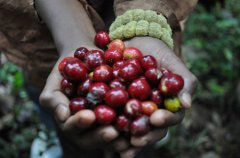
Ethiopian Coffee--Ethiopian Coffee
Ethiopia's Yirgacheffe coffee is petite, but it is gentle and delicate, sweet and pleasant. As the home of coffee, Ethiopia's millennia of growing and processing traditions have resulted in high-quality washed Arabica beans. Light baked with unique lemon, floral and honey sweet aromas, soft fruit acids and citrus notes, fresh and bright taste. without

Characteristics of Ethiopian coffee flavor of Ethiopian coffee
Although the Ethiopian Yirgacheffe coffee is petite, it is gentle and delicate and sweet. As the hometown of coffee, thousands of years of planting history and processing tradition in Ethiopia have created high-quality washed Arabica beans. Light baking has unique sweet aromas of lemon, flowers and honey, soft acidity and citrus flavors, fresh and bright on the palate. No.

Ethiopian origin of boutique coffee introduces Ethiopian Biya flavor
Ethiopia: the original flavor of coffee annual output: 396000 tons a cup of water washed Yega Xuefei (Yirgacheffe) can bring out the exquisite flowers and sweet fruit, unparalleled; or sun-treated Sidamo, sweet, atmospheric, are the most classic top representatives of Ethiopian coffee. Lorenzo Perkins, Director of Education, Cuve Coffee
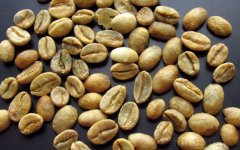
Ethiopian (Ethiopian) Mocha Coffee Green Beans
Ethiopia mocha green bean The home of Arabica coffee, grown at high latitudes, requires a lot of manual care. Here is the famous Ethiopian mocha, which has a similar acidity to wine, aroma, and yield. Ethiopia also looks at its neighbors across the Red Sea

Ethiopian Yega Xuefei Fine Coffee with unique Ethiopian Flavor
Although the Ethiopian Yirgacheffe coffee is petite, it is gentle and delicate and sweet. As the hometown of coffee, thousands of years of planting history and processing tradition in Ethiopia have created high-quality washed Arabica beans. Light baking has unique sweet aromas of lemon, flowers and honey, soft acidity and citrus flavors, fresh and bright on the palate. Without

Ethiopian coffee originated from Ethiopian coffee culture
Various forms of coffee cultivation can be found in Ethiopia: everything from wild coffee forests and semi-developed land to traditionally operated plots to modern plantations. About 50% of the coffee is grown more than 1500 meters above sea level. Harrar coffee is the highest growing area of all coffee in Ethiopia. Hara coffee can be divided into long coffee.

Ethiopian coffee mural Ethiopian rambutan flavor Taste
Professional coffee knowledge exchange More coffee bean information Please pay attention to coffee workshop (Weixin Official Accounts cafe_style) Hambella Manor is located in Guji District, which is one of several important development trends in Ethiopia in recent years. Shakisso is a well-known example. Hambera Manor, 2,150 m above sea level, retains primeval forest in natural balance with the environment

Ethiopian coffee culture the origin of Ethiopian coffee
Various forms of coffee cultivation can be found in Ethiopia: everything from wild coffee forests and semi-developed land to traditionally operated plots to modern plantations. About 50% of the coffee is grown more than 1500 meters above sea level. Harrar coffee is the highest growing area of all coffee in Ethiopia. Hara coffee can be divided into long coffee.

Ethiopian Coffee Harald Coffee
Ethiopian coffee is known as the coffee of the wilderness, and a cup of Ethiopian coffee can bring you a primitive experience you have never had before. The word COFFEE comes from KAFFA, a place name in Ethiopia where coffee was first grown. Ethiopian coffee has moderate acidity, moderate mellowness, alcoholic flavor and wild aroma, and some dried coffee may have soil.

Ethiopian coffee flavor Ethiopian coffee variety Ethiopian coffee brand
Due to different processing methods, coffee can be divided into washed coffee (Washed coffee) and sun-cured coffee (Sun-dried coffee). Washed coffee accounts for 35% of exports. Good quality washed coffee is processed with freshly picked fully ripe fruit, picked carefully and closely monitored by professionals. The clean coffee beans picked up will be pulped on the day of picking.

Ethiopian Coffee Export Ethiopia Coffee grading system
For more information on coffee beans, please follow Coffee Workshop (official Wechat account cafe_style) [Export of Ethiopian Coffee] according to Ethiopian decree, there are three coffee export systems: (1) the largest privately owned processing plant system for export through ECX bidding, (2) cooperative system, and (3) single farm system. In these three systems, cooperatives

Ethiopian Coffee Manor Ted Manor Ethiopian Coffee producing area
Ethiopian coffee beans grow in close to the natural environment, after years of planting under the same growth conditions, Ethiopian coffee beans have gradually adapted to the environment here. More than 60% of coffee beans are grown in forests or semi-forests. Large-scale coffee-growing villages account for about 35% of the country's total coffee production. Many of these are used.

Introduction to Ethiopian Flavor planting Industry of Fine Coffee, the birthplace of Coffee
For the exchange of professional baristas, please follow the coffee workshop (Wechat official account cafe_style) the birthplace of Ethiopian (Ethiopia) coffee-the Ethiopian coffee tree originated from Ethiopia (Ethiopia), it was originally a wild plant here, and the name coffee comes from Ethiopia.

Ethiopian Coffee Bean Flavor Manor introduces Ethiopian Coffee Brands
Ethiopian coffee beans grow in close to the natural environment, after years of planting under the same growth conditions, Ethiopian coffee beans have gradually adapted to the environment here. More than 60% of coffee beans are grown in forests or semi-forests. Large-scale coffee-growing villages account for about 35% of the country's total coffee production. Many of these are used.

Ethiopian Fine Coffee Flavor characteristics of Ethiopian Coffee Yega Chefe Coffee
Ethiopian coffee beans grow in close to the natural environment, after years of planting under the same growth conditions, Ethiopian coffee beans have gradually adapted to the environment here. More than 60% of coffee beans are grown in forests or semi-forests. Large-scale coffee-growing villages account for about 35% of the country's total coffee production. Many of these are used.

Boutique coffee Ethiopian jasmine, honey, citrus, ripe berries
The birthplace of coffee-Ethiopia. The coffee tree originated in Ethiopia, which was originally a wild plant here, and the name coffee comes from the Ethiopian town of Kaffa. In fact, many coffee trees in Ethiopia are still wild plants, and the coffee grown on this coffee tree is full-grained and slightly alcoholic. Humans may have been in the 9th century.

Ethiopian coffee production methods how Ethiopian coffee is produced sustainably
Ethiopian coffee production methods Ethiopian coffee is usually produced in a sustainable manner, mostly as garden coffee. This means that it is planted by farmers near their houses and is often intercropped with other plants. It is also common for producers to grow coffee in the semi-forest system. In the semi-forest system, the natural forest is transformed and trimmed.